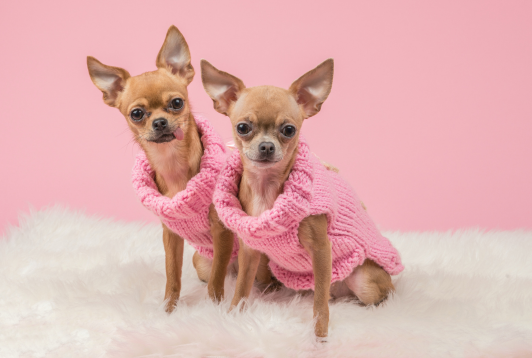
Chihuahuas, dachshunds and miniature pinschers often get labelled "snappy". Yet canine behaviour science tells a much more nuanced story.
Size ≠ Innate Temperament
ANSES states that "breed alone is not sufficient to predict or prevent the risk of a bite." There is no evidence that a dog bites more simply because it belongs to a particular breed or size category.
What the Studies Actually Say
Epidemiological studies do show that some small dogs display a higher frequency of reactive behaviours (barking, growling). But these behaviours are not automatically signs of aggression — they often reflect fear, anxiety or a response to a stressful stimulus.
The Decisive Role of Environment
A study published in Scientific Reports highlights that experiences in the first months of life have as strong an impact as biological factors on aggression and fear in dogs.
Early socialisation, consistent training, appropriate exercise and mental enrichment all play a key role — for dogs of all sizes.
Learned Behaviour, Not Fate
Behavioural science distinguishes between nature (genetics) and nurture (education, experiences). In dogs, aggressive behaviours are not predetermined: good socialisation can prevent most unwanted behaviour.
Rather than thinking in terms of size or breed, it is more useful to consider each dog as a unique individual, to whom the same principles of learning and respect apply.